Introduction Businesses must constantly adapt in the fast-paced Software-as-a-Service (SaaS) industry to satisfy shifting consumer needs, technical breakthroughs, and competitive market conditions. The quick speed of innovation needed in the SaaS sector is frequently too fast for traditional development methodologies…

Introduction Businesses mostly rely on Software-as-a-Service (SaaS) solutions to improve customer experiences, increase productivity, and streamline operations in today's fast-paced digital environment. But utilizing several SaaS apps separately might result in fragmented workflows, data silos, and inefficiencies. SaaS integrations can…
Introduction The architecture of a Software as a Service (SaaS) platform is very important for scalability, performance, and maintainability. Monolithic and microservices are two primary architectural styles that businesses developing SaaS products often debate between. Although a monolithic architecture is…
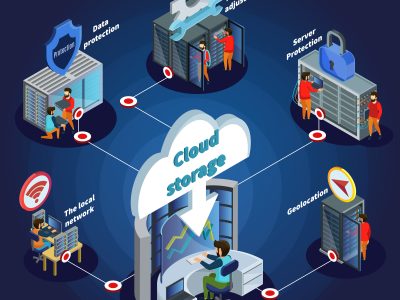
Introduction In the fast-changing landscape of Software-as-a-Service (SaaS), companies need to continuously adjust to emerging technological trends to stay ahead. One of the most notable changes in recent years has been the shift of SaaS platforms to cloud environments. Migrating…
Introduction The rapid adoption of Software-as-a-Service (SaaS) solutions has transformed business operations, offering scalability, flexibility, and cost savings. However, as organizations rely on SaaS platforms to manage critical data and processes, security threats have also increased. Cyberattacks, data breaches, and…

Introduction One of the most important metrics for SaaS (Software-as-a-Service) businesses is customer retention. Since SaaS companies rely on subscription-based revenue rather than traditional business models, customer lifetime value (CLV) is directly correlated with the length of time consumers remain…

Introduction The Software-as-a-Service (SaaS) sector is expanding at a rate never seen before as companies depend more and more on cloud-based solutions for cost-effectiveness, scalability, and agility. But this expansion also necessitates upgrading. Using microservices architecture is one of the…

Introduction Technology is essential to improving customer satisfaction, expediting procedures, and guaranteeing operational effectiveness in the dynamic world of self-storage businesses. One of the most crucial but usually ignored practices in this area is routine software system auditing. Frequent software…

Introduction In the current digital landscape, drawing in tech-savvy customers is essential for any business strategy. These individuals are not only comfortable with technology but also have high expectations for smooth, intuitive, and engaging online interactions. To effectively reach this…
Introduction The self-storage industry has seen major changes in recent years, driven by technological progress. One of the most impactful developments has been the rise of cloud-based software, especially in the area of auditing. By improving efficiency and ensuring compliance,…
Author Info

- Name:Apoorva Blogger
- Display:Apoorva Blogger
- Email:support@apoorva.com
- Website:http://apoorva.com
- Total Post: 143